
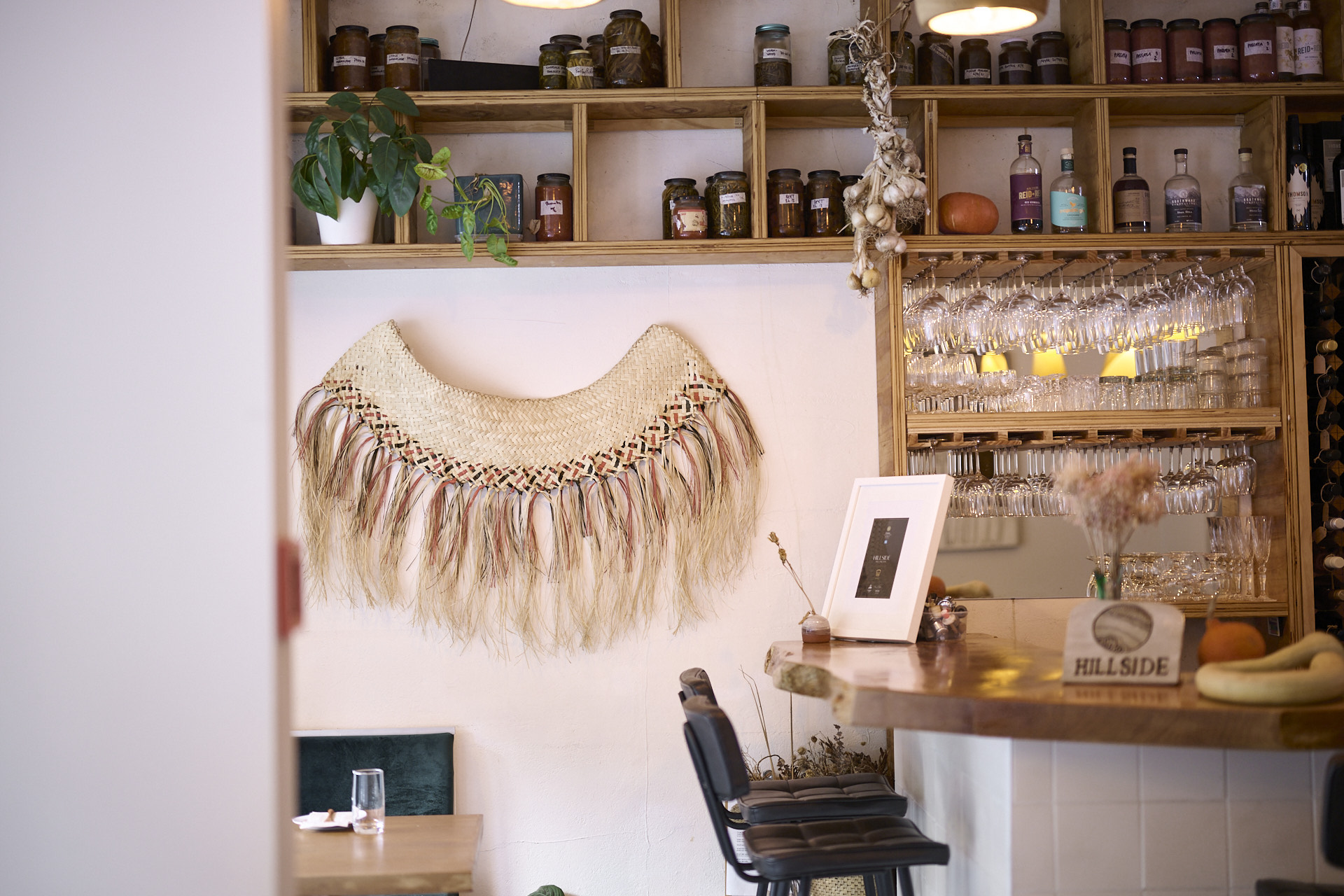
There are restaurants that talk about values, and there are restaurants that quietly organise their entire operation around them. Hillside sits firmly in the latter camp.
Run by chef and owner Asher Boote, Hillside operates on a simple but demanding premise: food should make sense when viewed in its full context - ecological, human, and practical. That means flavour always comes first, but never at the expense of the land, the grower, or the integrity of the process. It also means refusing convenience when it erodes value, and letting seasonality dictate decisions rather than marketing or expectation.
Much of what defines Hillside happens long before a plate reaches the table: months of growing, selecting, preserving, and paying attention. The meal itself is only the visible edge of a much larger system - one built on relationships, experience, and restraint.
We spoke with Ash about what “good food” actually looks like in practice, how Hillside sources and cooks, and why asking better questions might matter more than chasing perfect choices.
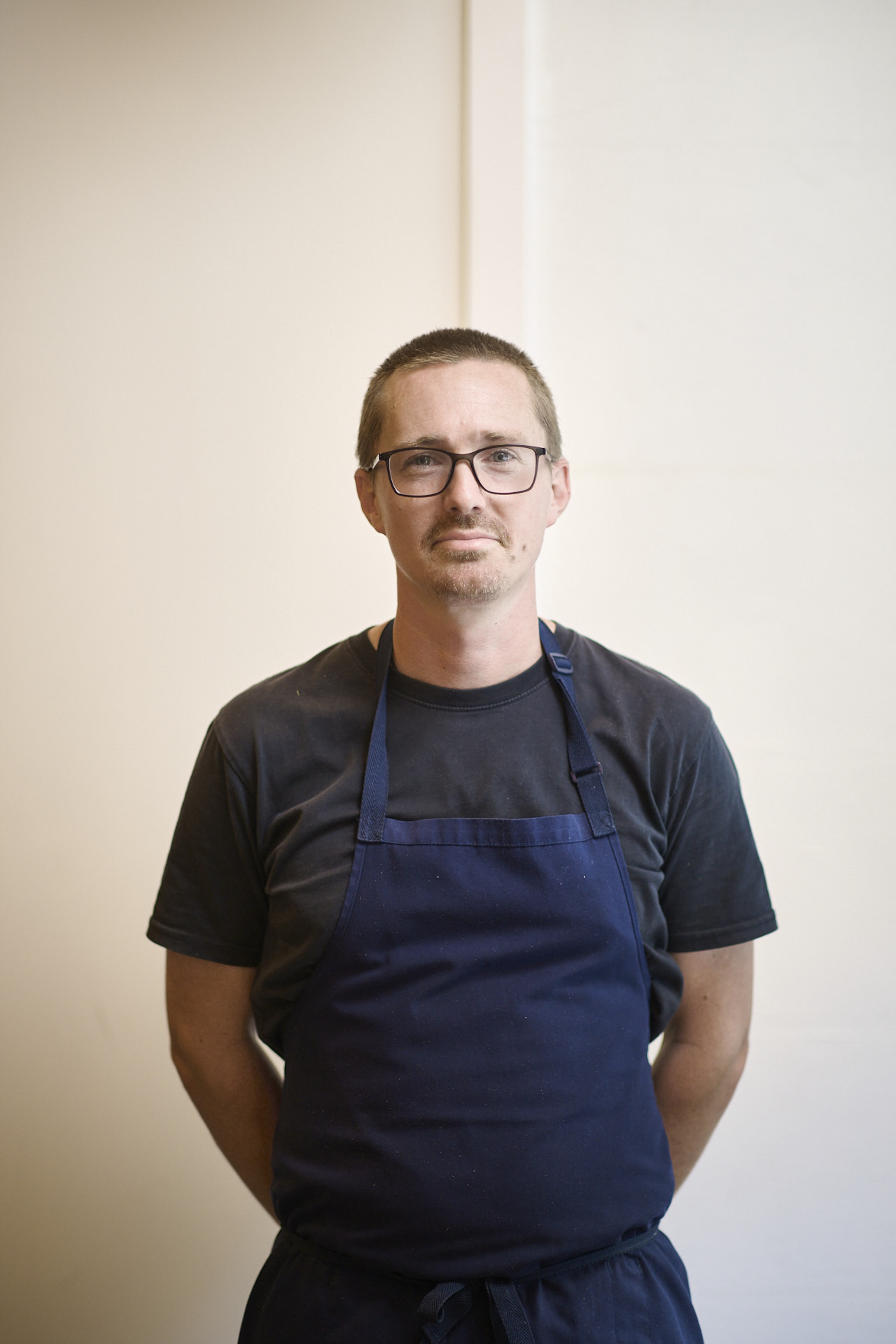
In Conversation with Hillside
What does “good food” mean to you, in practice?
Good food is food that makes sense when the wider context is considered. It respects the environment, the ingredient, the person growing it, the person cooking it, and the person eating it. In practice that means flavour first, but not at any cost - food that’s grown and cooked with conscience.
Where does most of your food come from, and how did those relationships form?
Most of our food comes from our garden, nearby foraging, local growers, and a market garden shop (Garden of York) close to my home. Moore Wilsons gives us access to dry goods and has been long-term supporters of high quality NZ products. I’m consistently keeping an eye out for new local producers, and once we find someone who does something good we will stick with them through thick and thin. I always prioritise being able to select produce and pick up from the location when possible.
What’s one compromise you’ve refused to make, even when it would have been easier or more profitable?
Buying for convenience instead of values. There are cheaper, easier options available every week, but once you start compromising there, everything else slips. We’d rather change the menu than lower the bar. The big box stores that supply everything and deliver daily would be much easier and often cheaper, but they only supply generic ingredients and the more sets of hands products pass through the less dollars are going to the grower, farmer, or producer.
What part of your process do customers rarely see but should?
95% of what we do doesn’t get seen by the customer. Months of growing and preparing get squeezed down to a couple of hours that is the meal. Maybe the most important part that often gets missed is the years of experience required to maintain the standard that we do - as a customer you’re not just paying for the food on a plate you’re paying for decades of knowledge.
How do seasonality and local supply genuinely shape your menu or offerings week to week?
They dictate it. If something isn’t available, we don’t force it. If something arrives unexpectedly or in excess, the menu shifts. The food tells us what to cook, not the other way around.
What’s the hardest part of operating with integrity in the current food system?
Most of your competition isn’t operating with the same standards. They are serving ingredients of a lower cost, lower quality, less ethical approach, but the average customer just sees the price on a menu and thinks that two venues are comparable.
Has your relationship with food changed since running this business? How?
It’s not just due to being in business, but generally being more and more aware of the overall impact of food systems makes me more selective in my purchasing decisions and the impact that they have.
What’s one misconception people have about organic, regenerative, or ethical food?
The value of people in the process. Nothing will ever beat receiving food from the person who grew it. The knowledge, care, and attention cannot be beaten, and that human connection creates empathy both ways. Labels are easy to manipulate; human to human connection is not. Those who do things with integrity have nothing to hide.
Who else in your local food ecosystem deserves more recognition?
I think there needs to be more celebration of those customers who do insist on an ethical approach to food production; without them the whole system doesn’t work. They are by far the minority but their impact is huge.
If someone wanted to eat more in alignment with their values, what’s one realistic place to start?
Ask questions. Where things come from, how it’s grown, why it’s grown that way. Educate themselves around greenwashing. Start with one habit, not a total overhaul - progress beats perfection every time.
If you’re curious to experience this approach firsthand, you can explore Hillside’s full listing on Homegrown and book a table directly.